

We all know what we should do—recycle more, waste less. But knowing isn’t the same as doing. Most workplaces don’t struggle to reduce waste because people don’t care, they struggle because people don’t connect waste systems with real-world outcomes. Posters, bin labels and training sessions tell staff what to do, but they rarely change what people actually do day to day.
That’s because behaviour change isn’t powered by information. It’s powered by experience. Immersive, real-world action creates lasting change, and organisations can harness these experiences to drive meaningful behaviour shifts.

1. Awareness creates intention. Action creates habits
Research in behavioural psychology shows that information alone rarely shifts behaviour. In contrast, hands-on participation activates emotional memory and muscle memory—two things far more likely to lead to repeat behaviour.
Experiential learning, where people participate directly, is far more effective than passive education. When people physically sort waste, see contamination firsthand, or watch food scraps turn into compost in their backyard, the system suddenly becomes real. They created that result. And ownership is one of the strongest predictors of long-term behaviour change.
2. People change faster when they can see (and feel) the impact
Friendly’s workplace programs and activations consistently show that contamination rates drop quickly, and stay low, when staff are encouraged to:
- Sort waste with their own hands and engage in gamified learning
- Measure contamination themselves and interact directly with waste streams
- See clear before and after results and understand the impact of their daily habits
- Discuss barriers openly and identify practical actions
3. Behaviour spreads through social norms (not rules)
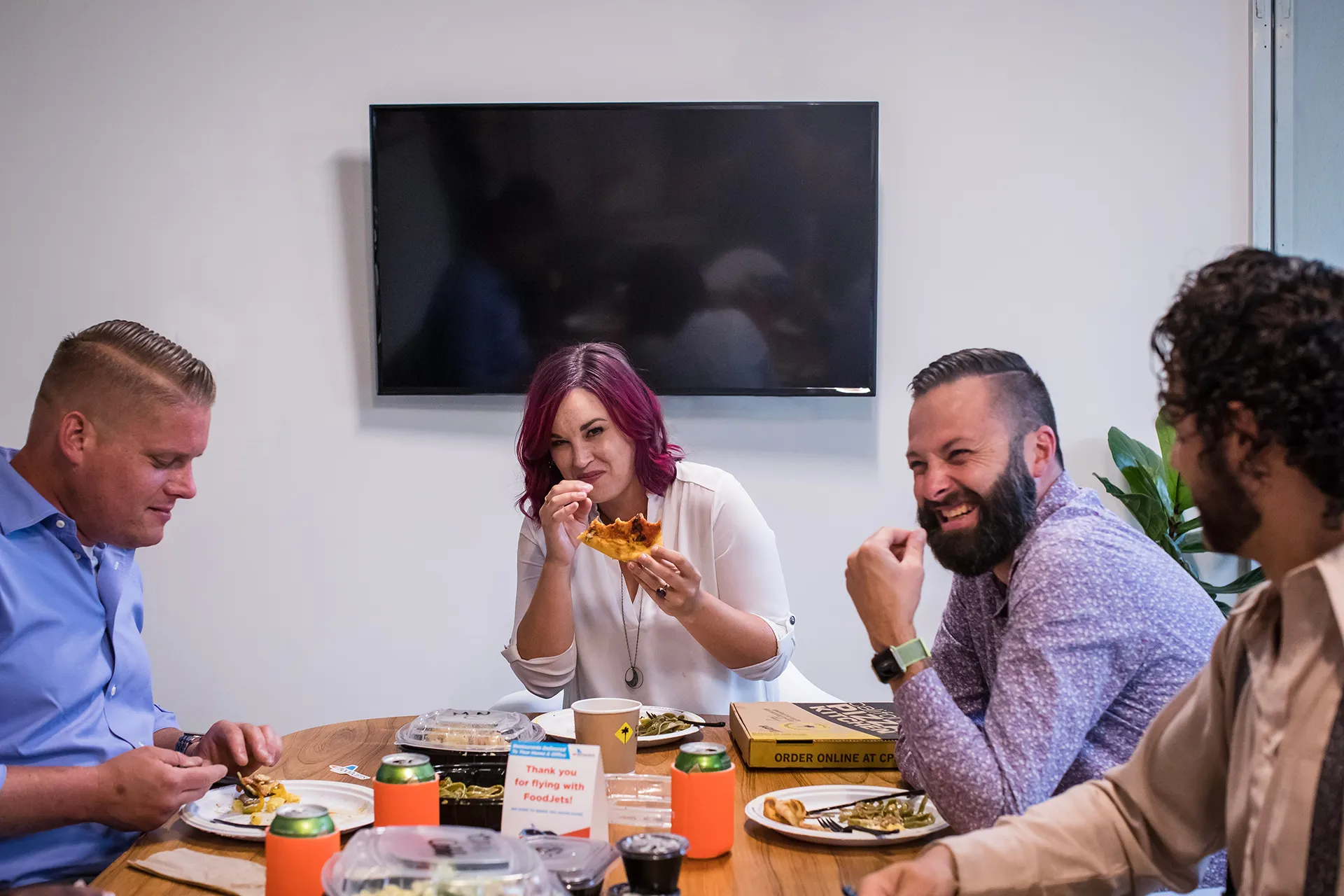
Most waste systems fail because they rely on rules and signage.
Most successful systems work because they rely on culture.
When people participate together, behaviour becomes visible.
Visible behaviour becomes normal.
Normal behaviour becomes a habit.
And this is when workplaces start to see the ripple effect:
one team’s good habits influence another, and the system begins to reinforce itself.
4. Hands-on learning makes waste systems “stick”
Ella Clarke, Founder of Friendly, observed this through years of working inside waste systems:
“My background in waste systems led me to notice that, despite the best bin set ups, success or failure in the adoption of any waste system was only as good as the people using it.”
Friendly’s activations are designed around this insight: turn waste education into something experiential, collaborative, and actionable.
5. If you want lasting change, start with people
Most organisations invest in bins, labels, and infrastructure.
Fewer invest in the behaviours that drive those systems.
But the workplaces that do?
They see measurable improvements, including:
- lower contamination
- cleaner recycling streams
- more confident staff
- fewer questions at the bin
- easier waste management overall
Behaviour change begins with people.
People change when they act.
And action is where real sustainability starts.
Ready to move beyond awareness into measurable performance?
Friendly designs and delivers evidence-based behaviour change programs that drive participation, reduce contamination and strengthen ESG and impact reporting.
To explore a workplace waste reduction program or tenant engagement initiatives tailored to your organisation, contact us at hello@friendly.com.au